Service guide · Frank Boucher Chevrolet — Racine, WI
Dashboard lights have a way of catching drivers off guard, especially when they pop on during a busy day around Racine, WI. At Frank Boucher Chevrolet, customers often mention how confusing these symbols can be—some look familiar, others feel like they came straight out of a spaceship. And honestly, who hasn’t glanced down and wondered, “Is this something serious or just a quick reminder?” Understanding these alerts makes driving feel a whole lot more confident, and that’s exactly what this guide is here to help with.
Key takeaways
Dashboard light colors are designed to tell you how urgent an issue is. Green or blue lights simply indicate that a feature is active; yellow or orange lights signal caution; and red lights indicate a problem that needs immediate attention.
Every driver has seen a green light on the dashboard at some point—Cruise Control, Lane Keep Assist, or even Super Cruise when equipped. These aren’t warnings at all; they’re just status indicators. Yellow or orange lights fall into the “pay attention soon” category. They’re part of the broader family of Chevy warning lights, and they usually relate to systems like tire pressure, engine performance, or driver‑assist features. Red lights are the ones that deserve quick action. These often relate to braking, engine oil pressure, or overheating.
Weather, driving habits, and vehicle age all play a role in how often these lights appear. Cold Wisconsin winters can trigger low tire pressure alerts, while stop‑and‑go city driving may cause the engine or brake system to work harder. Understanding the color system helps you quickly decide whether to keep driving or pull over and call for help.
Green / Blue
System active
A system or feature is turned on and operating normally. No action needed.
Yellow / Orange
Needs attention soon
Something needs attention soon — you can usually keep driving, but schedule service.
Red
Stop and address immediately
A serious issue — pull over as soon as it’s safe and address the problem right away.
Chevrolet vehicles use a consistent set of symbols to communicate what’s happening under the hood and around the vehicle. Some are simple reminders, while others warn of issues that need service. Here’s an overview of the most common Chevy dashboard symbols and meanings, especially the ones drivers ask about most often at Frank Boucher Chevrolet:
| Symbol / System | Impact | Example | Explanation | Image |
|---|---|---|---|---|
| Tire Pressure Light | Caution | Cold weather | Tires lose pressure as temps drop | 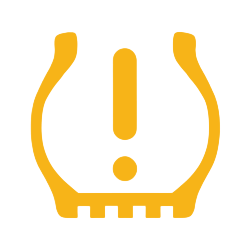 |
| Check Engine Light | Caution | Loose gas cap | Can range from minor to serious | 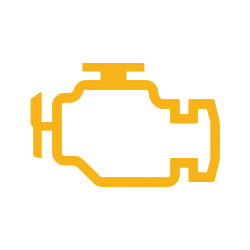 |
| Brake Warning | Urgent | Low brake fluid | Needs immediate attention | 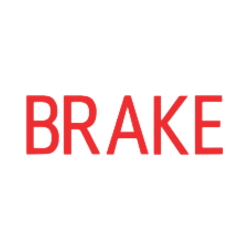 |
| Engine Oil Pressure | Urgent | Low oil level | Pull over and shut off the engine | 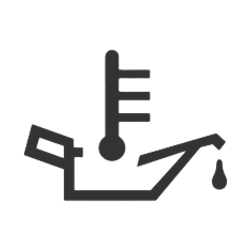 |
| Coolant Warning | Urgent | Low coolant | Can cause engine failure |  |
| Lane Keep Assist | Active | Yellow icon | Helps keep the vehicle centered |  |
| Adaptive Cruise Control | Status | Flashing symbol | May be blocked by snow or dirt |  |
| Super Cruise | Active | Green steering wheel | Turns blue or red if attention is needed |  |
| Driver Attention Assist | Alert | Eye icon | Suggests taking a break |  |
Each of these symbols is designed to give you a heads‑up before a small issue becomes a big one. For example, the Tire Pressure Monitoring System (TPMS) often illuminates during cold snaps in Racine, WI, because air contracts as temperatures drop. Meanwhile, the Check Engine Light can appear for something as simple as a loose gas cap or as complex as a sensor malfunction. Understanding these Chevrolet warning lights helps you stay ahead of maintenance and avoid surprises.
It depends on the color and the symbol. Green and blue lights are harmless, yellow lights usually allow you to keep driving for a short time, and red lights mean you should stop as soon as it’s safe.
A flashing or solid yellow light—like the Check Engine Light or Adaptive Cruise Control alert—usually means the vehicle has detected something that needs attention soon. You can typically continue driving, but it’s smart to schedule service before the issue worsens. Red lights are a different story. A Brake System Warning, Engine Oil Pressure alert, or Coolant Temperature warning means the vehicle may not be safe to operate.
Drivers often mention that they “didn’t notice anything wrong,” even when a red light appears. That’s the tricky part—modern vehicles are designed to warn you before symptoms become obvious. Ignoring these alerts can lead to overheating, brake failure, or engine damage. When in doubt, pull over, check the owner’s manual, and contact a trusted service team. It’s always better to be cautious when dealing with Chevy warning lights that indicate a serious issue.
Frank Boucher Chevrolet — Racine, WI
Dashboard symbols don’t have to be intimidating once you know what they’re trying to tell you. Whether it’s a simple green indicator or a more urgent red alert, understanding these signals helps you stay confident and safe on the road. Frank Boucher Chevrolet in Racine, WI, is always here to help explain what’s going on and get your vehicle back in top shape.
If a dashboard light has you wondering what’s next, the service team at Frank Boucher Chevrolet is ready to help. And if you’re exploring newer Chevy models with advanced driver‑assist features, browsing the latest inventory is a great place to start.
What does the Tire Pressure Light mean?
It indicates that one or more tires are underinflated. Cold weather often triggers this alert.
Why is my Check Engine Light on?
It can be caused by anything from a loose gas cap to a sensor issue. A diagnostic check will pinpoint the cause.
What does the Engine Oil Pressure light mean?
It signals dangerously low oil pressure. Pull over immediately and shut off the engine to prevent damage.
Is it safe to drive with the Coolant Warning Light on?
No. This light indicates the engine may be overheating. Continuing to drive can cause major damage, so it’s best to pull over and let the engine cool.




